Players had funded the game and were waiting for the features and platforms on its roadmap.
Return home
People leadershipProduct operationsHands-on design
I rebuilt delivery around the promises we had made to players
When I moved from UX into production at a 28-person game studio, I changed how we planned, prepared, and developed features promised to players. I managed the team and kept designing the UI.
At a glance
I helped a game studio get feature work moving again.
When I moved from UX into production, feature work had nearly stalled and dates promised to players had slipped. I interviewed the team and followed work through product planning, art, and engineering to find where it was getting stuck. I changed how we planned and handed off work while managing the team and continuing to design the UI.
I ownedProduct shaping, roadmaps, sprint planning, direct management, and release coordination for PC, XBOX, and Nintendo Switch.
We deliveredFeature development resumed. We continued PC updates and coordinated the console launches.
Who did whatThe CEO made headcount and compensation decisions. Developers implemented the UI in engine. Releases involved the studio and external partners.
12direct reports at peak
11 employees and one contractor
Feature workresumed
A stalled pipeline returned to new feature development
5practices and systems retained
Sprints, story points, bug rotation, Jira, and ClickUp
01
Situation
Players were waiting, and feature work had nearly stalled.
Dungeon Defenders: Awakened had Kickstarter backers and an active player community waiting for promised features and platforms. Some dates had already been missed. Bug fixes took up engineering time, and UX and art could not tell when their prepared work would be developed.
Feature work had slowed to a near standstillBug fixes dominated engineering timeEarlier public dates had already slipped
Starting state · players waiting on features
Prepared workStalledFeature development
Designs and assets were waiting to be developed while engineers dealt with urgent bugs.
The commitments started before I joined.
02
Diagnosis
I found where work was getting stuck.
The team was producing strong work, but people lacked clear priorities and could not see what happened after a handoff. I used interviews, backlog reviews, and planning sessions to work out what needed to change.
Interviewed contributors and discipline leadsReviewed the backlog and active feature workObserved planning, execution, and handoffs
Diagnosis · evidence to understanding
ListenTeam and lead interviews
TraceBacklog, active work, and handoffs
ObserveSprint planning and execution
DiagnoseUnclear priorities and stalled handoffs
People needed clearer priorities and a way to get prepared work into development.
Priorities and handoffs needed work03
Decision
I matched the process to the way each discipline worked.
I used Shape Up to define the product work, Waterfall to plan UX and art preparation, and Scrum Agile for engineering. UX and art could plan what to prepare and when. Engineering received designs and assets with more decisions resolved. Leadership could base commitments on scope and dependencies rather than dates alone.
Defined the scope before committing team timeEstimated UX and art work and set the orderBrought prepared designs and assets into engineering sprints
How I organized the work
01
Product and leadership
Shape
Shape UpDefine the problem, agree on the scope, and make the product decisions needed to start.
OutputAgreed scope and priorities
02
UX and art
Create
WaterfallInventory assets, identify dependencies, estimate the work, and set the order.
OutputDesigns and assets ready to build
03
Engineering and QA
Build
Scrum AgilePlan sprints, estimate with story points, break up large tasks, and rotate responsibility for bugs.
OutputBuilt and tested features
Shape the work. Create it. Build it.
04
Delivery
I managed delivery and kept designing the game.
I managed 12 direct reports at peak and planned work from episode roadmaps down to individual sprints. I also designed the game’s UI and reviewed it in Unreal Engine. Developers handled the implementation.
Managed 11 employees and one contractor at peakConnected episode plans, Jira, sprint work, and player communicationDesigned reusable UI art and reviewed the implementation
Leadership model · player and coach
Help the team plan and own their work
I set priorities, ran one-on-ones, and worked through dependencies between teams so people knew what to do next.
Keep designing and reviewing the UI
I designed interface art and reusable components, reviewed the implementation in engine, and helped write player updates.
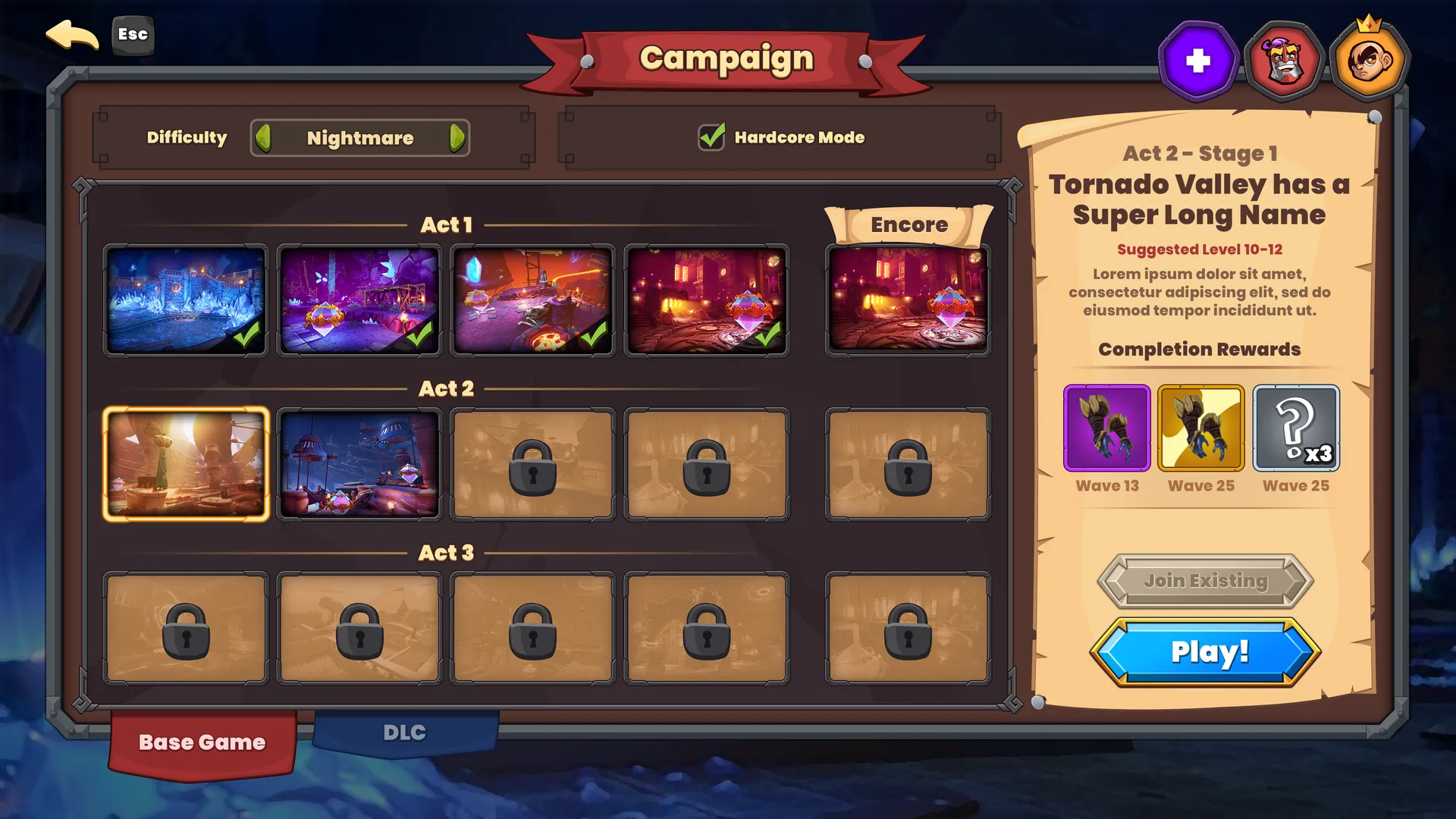
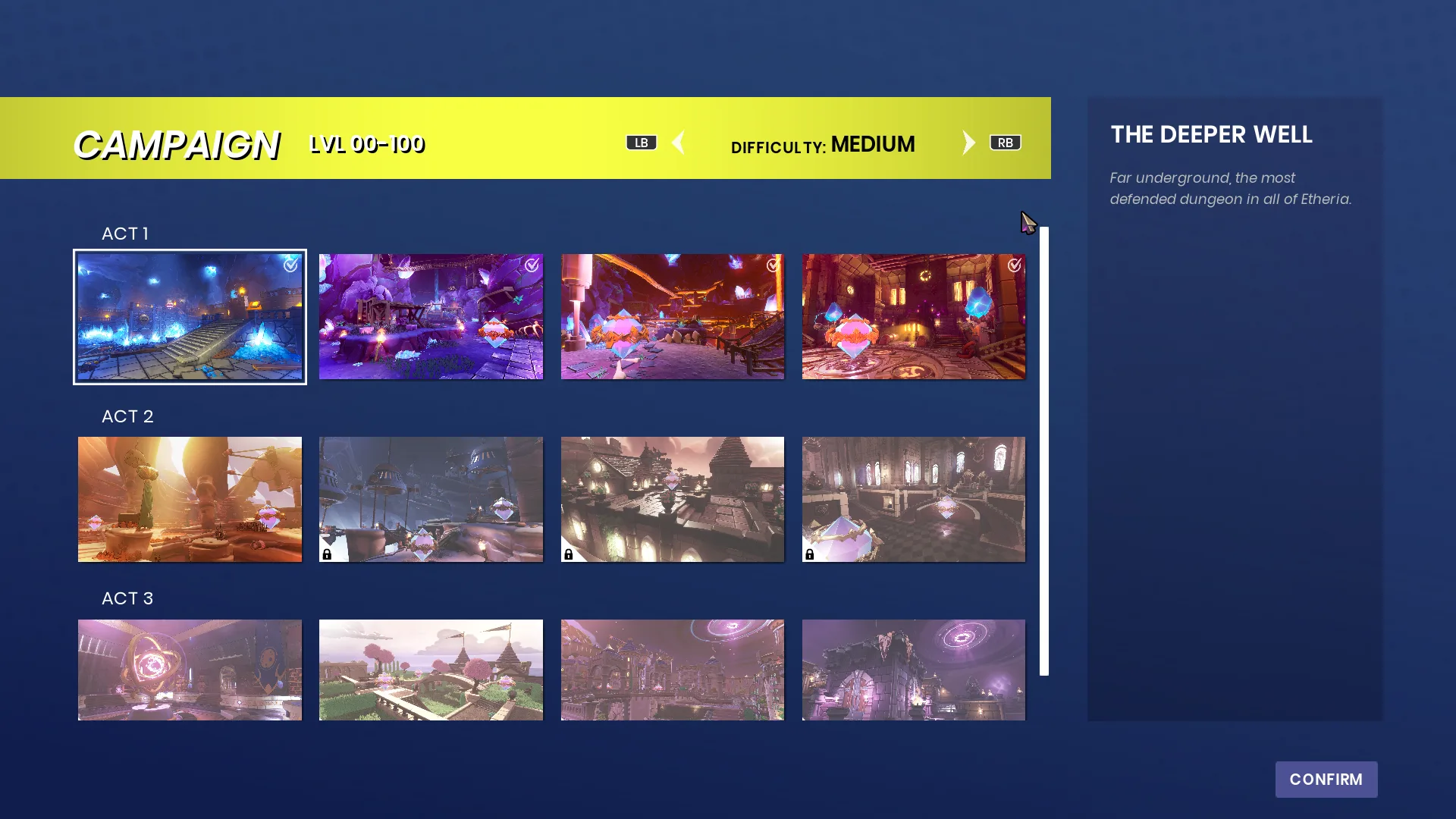
I redesigned the entire UI to feel more like the original Dungeon Defenders.
Initial
Redesign
Hands-on craft · system to screens
I helped us prepare for and pass XBOX and Nintendo Switch certification.
I prepared storefront assets and adapted trailers to platform requirements. I worked with the team on submissions and joined Nintendo meetings about patch requirements. The team handled technical certification work and fixes. I coordinated launch communications and helped prepare Steam updates for release.
 Updates
PC / Steam
 Launch
XBOX
 Launch
Nintendo Switch
05
Results
Feature work resumed, and the team kept the practices after my handoff.
Feature development resumed, and we met the revised customer-facing dates we committed to during my tenure. These were new commitments, not the original Kickstarter dates. After my handoff, Development kept sprints, story points, the bug rotation, and the Jira structure I had reorganized. The ClickUp workspace I reorganized for non-development work also stayed in use.
Feature work moved forward againRevised customer-facing dates during my tenure were metJira and ClickUp stayed in use after handoff
Results · what changed
Before
- Feature work nearly stalled
- Unclear priorities
- Missed dates and few player updates
 Feature work nearly stalled
Intervention
- Shaping and prioritization
- Art inventory and episode plan
- Jira structure and sprint cadence
- Candid player update
Observed after
- Feature development resumed
- Revised dates met during my tenure
- Shared plans and forecasts
- Player updates resumed
- Practices kept after handoff
 Feature development resumed
I reset expectations with players.
I explained the delays and the plan to deliver on the promises they had funded.
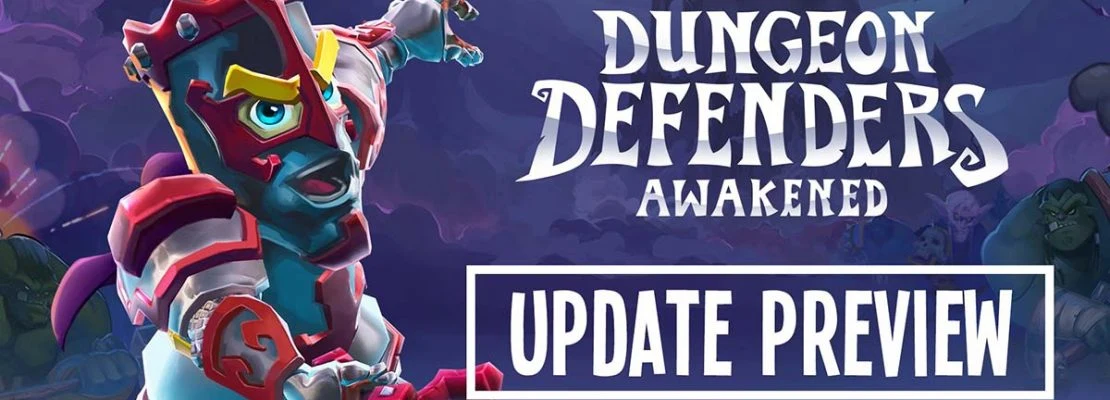
Public communication reset“Update 1.2 Preview”Written by Mario · October 23, 2020
Practices retained after handoff
SprintsStory pointsRotating bug ownershipReorganized Jira · dev workReorganized ClickUp · non-dev work
What this work shows
I helped teams turn plans into delivered work.
Working as a player-coach let me address both sides of a handoff: how the team prepared the work and what developers needed to implement it.
I made priorities and ownership clearer.
Knowing what came next, who owned it, and what other teams needed gave people a clearer basis for planning and owning their work.
I connected plans to prepared handoffs.
Resolved scope, designs, and dependencies gave engineering a clearer starting point and leadership a better basis for scheduling commitments.
I gave developers a consistent UI foundation.
Reusable visual components carried the same patterns across screens. Developers implemented them in engine, and I reviewed the result with them.